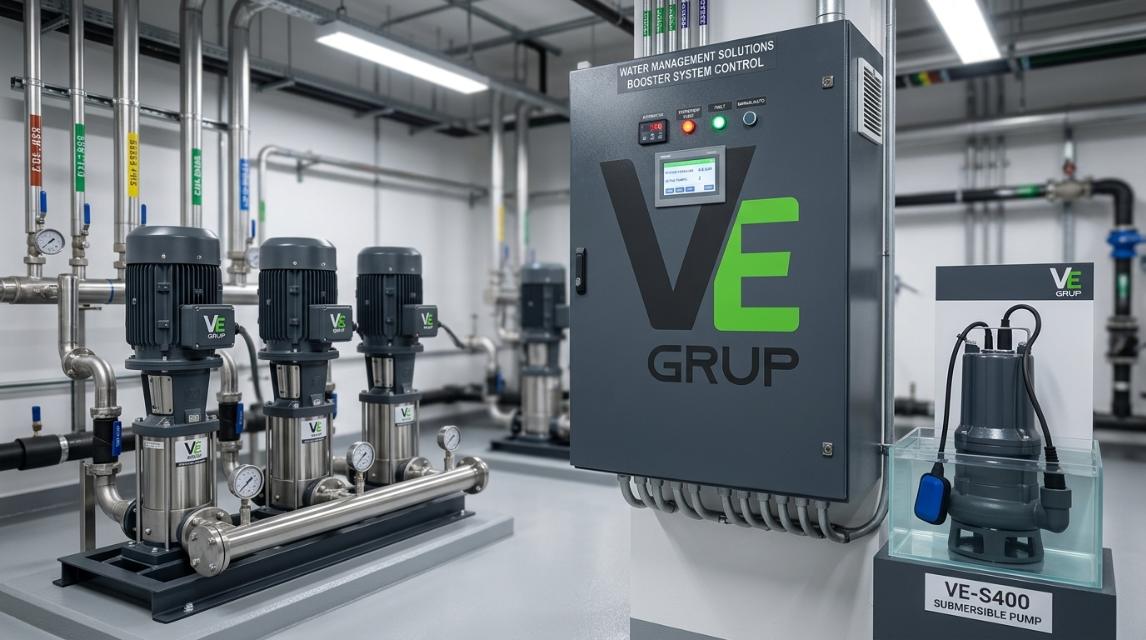
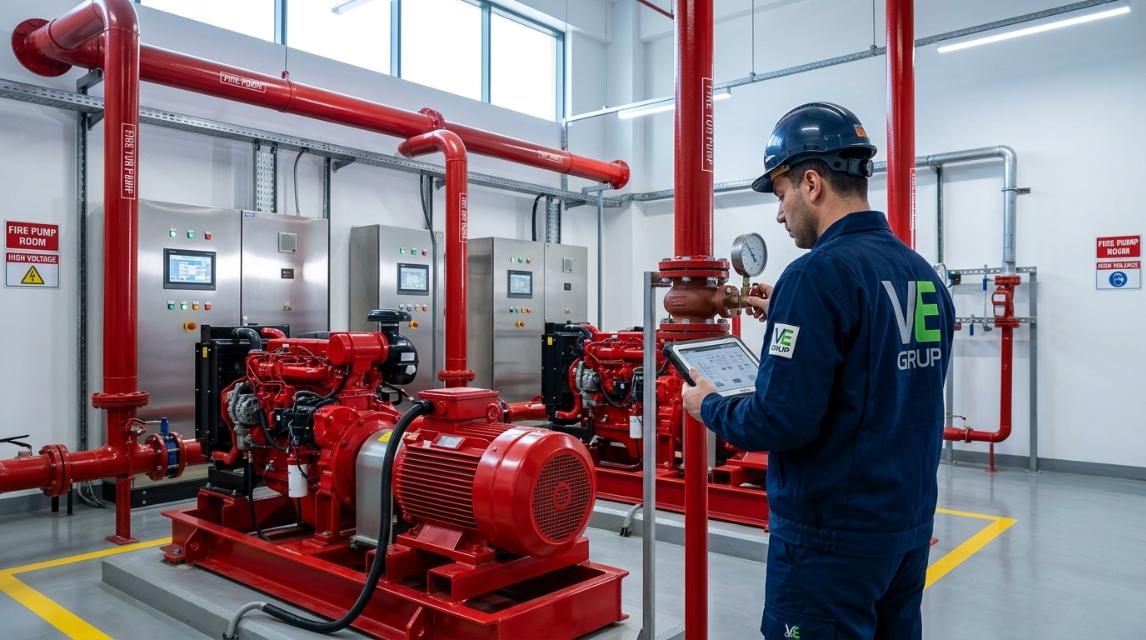
A sudden drop in water pressure or a booster that runs non-stop is usually caused not by a major failure but by a simple setting or equipment issue. The checks below help you spot the problem early and give service accurate information when needed.
The start and stop pressures of a booster can drift out of adjustment over time. Check that the gauge reading matches the system's design pressure. If the pump starts too frequently, the pressure band may have narrowed.
When the air pre-charge in a diaphragm expansion tank drops, the pump cycles on and off very frequently. The tank's air pressure should be slightly below the pump's start pressure. A ruptured diaphragm gives similar symptoms.
A small leak in the plumbing or a faulty check valve will start the pump even when no water is being used. The pump running at night with no usage is a strong sign of a leak.
Observe the contactor, thermal relay and fuses in the panel. A tripping thermal may indicate the motor drawing excess current or a phase problem. Electrical work must always be done by authorized personnel.
Cavitation reveals itself with rattling and vibration. Unusual noise can also signal bearing or mechanical-seal wear.
If these checks don't resolve the issue, or there is an electrical symptom, don't force the system — contact technical service. VE GRUP provides booster fault diagnosis, overhaul and periodic maintenance.
Our technical team will assess your need and get back to you.